Free Play: Broccoli that tastes like ice cream
Child-led play is how kids build confidence, judgment, and friendships. Here is what it does for them and the research behind it.
What the research shows
Children are wired to learn through free, self-directed play.
When we give kids room, they grow. When we take it away, they struggle.
Kids have been losing their freedom for decades.
U.S. children’s freedom to play independently of adults has declined steadily for more than 50 years, according to psychologist Peter Gray and colleagues.
Peter GrayJ Pediatrics 2023Less independence has hurt kids’ mental health.
As kids lost the freedom to play and do things on their own, anxiety and depression in children and teens rose. Researchers point to that loss of independence as a major cause. Today, about 4 in 10 U.S. high school students report persistent feelings of sadness or hopelessness.
J Pediatrics 2023CDC 2023Healthy risk and self-directed play build confident kids.
A review of 21 studies found outdoor play with healthy risk helps kids, with more physical activity and better social health. And kids with more unstructured time are better at setting and reaching their own goals.
Brussoni et al., 2015Barker et al., 2014Believe kids need more room to play? Help us build a place for it. Get updates, focus-group invites and a first look before we open.
Get the dirtKids need more room than they are getting
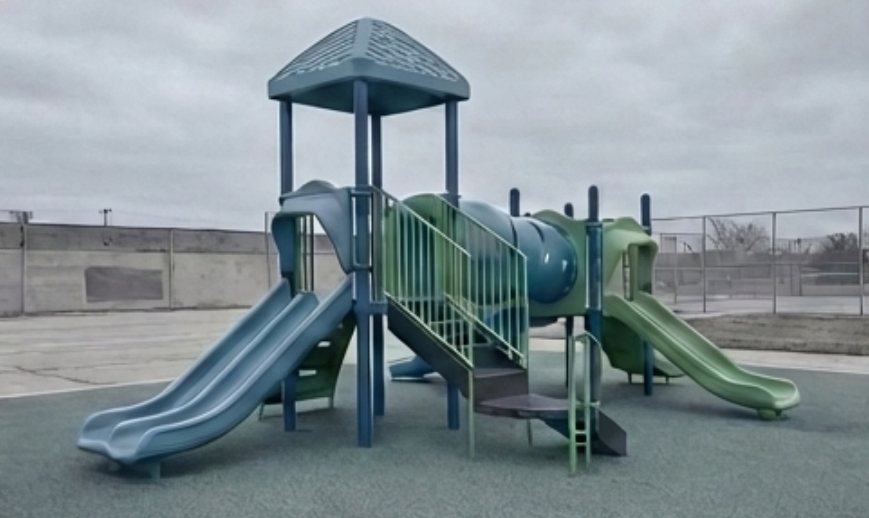
What is shrinking
- Most play spaces are built for little kids, and the ones meant for big kids don’t support the kind of play they need. Wood et al.
- Childhood is overscheduled with adult-directed activities. American Journal of Play
- Screen time has replaced free play. Gallup’s 2023 survey found U.S. teens ages 13 to 19 report spending an average of 4.8 hours a day on social media. Gallup
What Wheelhouse does about it
- Independence is treated as a vital nutrient.
- Unstructured, child-led play builds executive function and resilience.
- Real-world materials and healthy risk replace plastic, prescriptive toys.
Agency, confidence, collaboration
They lead
Kids choose what to build, who to play with, and when to start over. That is how they learn to do things on their own, together.
They stretch
Climbing, hand tools and minor disagreements with other kids build confidence and judgment in a place made for it.
They connect
Mixed ages and real friendships. Older kids lead, younger kids reach, and everyone works out how to play together.
Confidence, Creativity and Resilience all start with independence
We did not invent this. We are building on the work of researchers, advocates and adventure playgrounds
who proved that childhood independence is a necessity. Here are some of them.
The giants
Thought leaders. We stand on the shoulders of researchers and advocates who have shown that childhood independence is not a luxury.
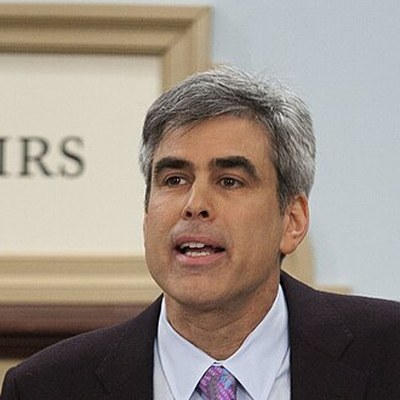
Jonathan Haidt
- Social psychologist and professor at NYU Stern
- The Anxious Generation: #1 NYT bestseller, with over 2 million copies sold
- Documents the shift from play-based to phone-based childhood

Lenore Skenazy
- Author of Free-Range Kids and co-founder of Let Grow
- Sparked the free-range parenting movement nationally
- Has keynoted TED, Microsoft, Harvard Medical School and Disney

Peter Gray
- Research professor at Boston College; author of Free to Learn
- Free play builds executive function and emotional resilience
- Co-founder of Let Grow with Haidt, Skenazy and Daniel Shuchman
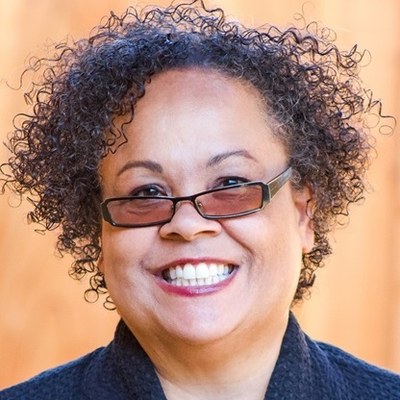
Julie Lythcott-Haims
- Former Dean of Freshmen at Stanford University
- NYT bestseller on how overparenting harms children and families
- Advocates for children’s autonomy and independent problem-solving
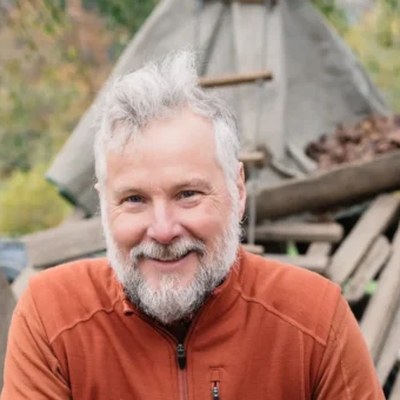
Rusty Keeler
- 30+ years designing natural adventure playscapes worldwide
- Author of Natural Playscapes and Adventures in Risky Play
- Pioneer of outdoor risky play and the loose parts movement

Camilo Ortiz
- Developed Independence Therapy for childhood anxiety
- A small pilot with four children ages 9 to 13 found their anxiety dropped after daily independent tasks
Photos: Jonathan Haidt, Miller Center (CC BY 2.0); Lenore Skenazy (CC0); Peter Gray, David Harry Stewart (CC BY 4.0); Julie Lythcott-Haims, City of Palo Alto (public domain), all via Wikimedia Commons. Rusty Keeler and Camilo Ortiz photos from their own websites.
The pioneers
Proof of concept. These adventure play spaces have shown that the model works.
The Yard
Adventure playground on Governors Island, New York City, run without parents since 2016 and staffed by trained playworkers.
Camp Stomping Ground
An overnight summer camp in upstate New York built around free play.

Anarchy Zone
A hands-on nature play area at Ithaca Children’s Garden, with playworkers on site.
The movement
A growing wave of parents, educators and researchers reclaiming childhood freedom, one neighborhood at a time.
The Balance Project
A parent-started nonprofit that helps communities bring modern childhood into balance through real-life experiences and intentional technology use.
Let Grow
A nonprofit that promotes childhood independence and free play through school programs like Play Clubs and state laws.
OK To Delay
A parent-led nonprofit movement that helps families delay giving children smartphones, with resources and local chapters.
Get the dirt before we open
Pop your email in and be part of building Wheelhouse Play. You will get updates as we get closer to opening, invitations to focus groups and feedback sessions, access to the space before the grand opening, and special deals on memberships.